Navigating the world of electric guitar strings can be complex! This comprehensive guide details everything from gauge and materials to construction‚
helping you find the perfect strings for your playing style and genre preferences.
Electric guitar strings are fundamental to tone and playability. Unlike acoustic strings‚ electric guitar strings don’t need to project sound acoustically; instead‚ they interact with magnetic pickups to create the signal that’s amplified. Understanding the nuances of string construction‚ materials‚ and gauge is crucial for any electric guitarist seeking to optimize their instrument’s performance.
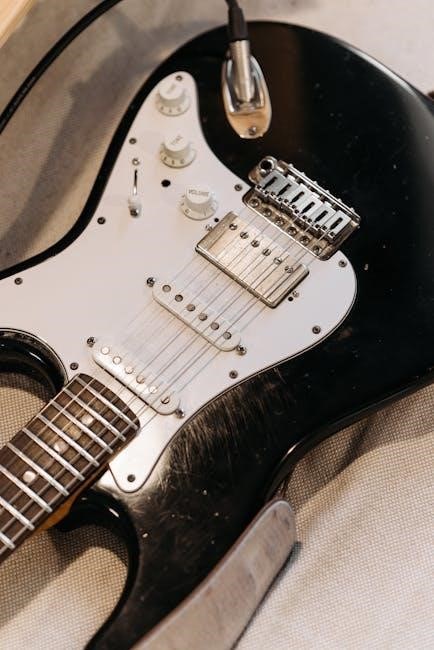
The strings are constantly subjected to friction‚ corrosion from sweat‚ and the stress of tuning and bending. This leads to wear and tear‚ impacting intonation and overall sound quality. Choosing the right strings isn’t just about personal preference; it’s about understanding how different characteristics affect sustain‚ brightness‚ and feel.
From the standard 10 gauge sets often supplied with new guitars to specialized options for specific genres‚ the variety can be overwhelming. This guide aims to demystify the process‚ providing a clear overview of the key factors to consider when selecting electric guitar strings‚ ensuring you get the most out of your instrument.
String Gauge: Understanding Thickness
String gauge refers to the diameter of the strings‚ typically measured in thousandths of an inch. A set of strings is described by the gauge of the high E string‚ followed by the full set (e.g.‚ 10-46). Thicker strings (higher gauge) offer more tension‚ resulting in a fuller tone‚ increased sustain‚ and improved tuning stability‚ but require more finger strength to bend.
Conversely‚ thinner strings (lower gauge) are easier to bend and play‚ making them ideal for lead work and players with lighter touch. However‚ they can sound thinner and may be more prone to breakage. Most 6-string guitars come standard with 10 gauge strings‚ offering a balance between playability and tone.
The choice of gauge significantly impacts the instrument’s setup. Changing to a drastically different gauge may necessitate adjustments to the truss rod‚ bridge‚ and intonation to maintain optimal playability and prevent buzzing. Experimentation is key to finding the gauge that best suits your playing style and guitar.
Light Gauge Strings (08-09)
Light gauge strings‚ typically ranging from .08 to .09‚ are favored by players prioritizing ease of playability and bending. Their lower tension makes them significantly easier on the fingers‚ reducing fatigue during extended practice sessions or performances. This makes them a popular choice for beginners‚ players with hand issues‚ or those who frequently utilize string bending techniques.
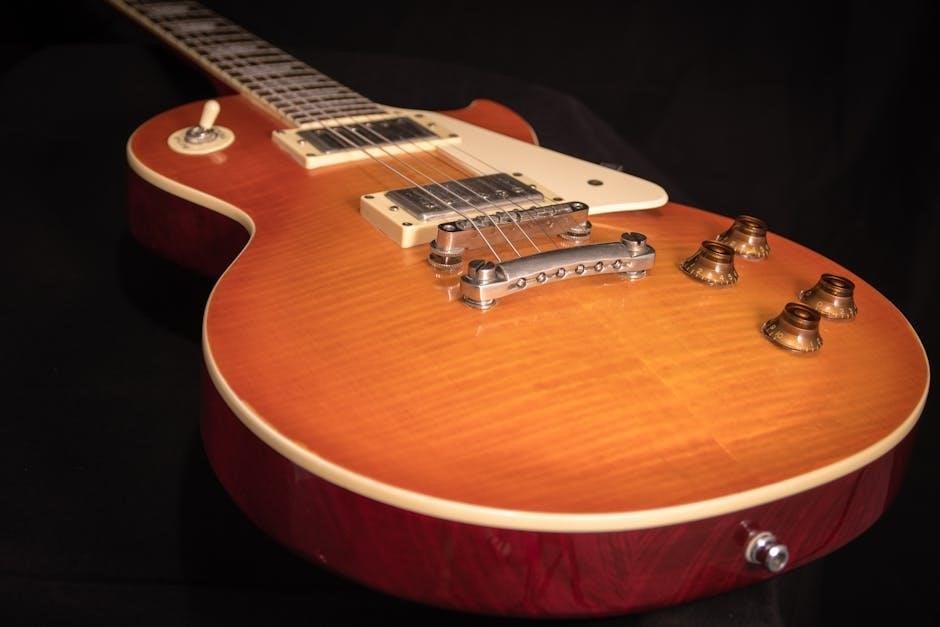
However‚ this ease comes with trade-offs. Light gauge strings generally produce a thinner tone with less sustain compared to heavier gauges. They are also more susceptible to breakage‚ particularly with aggressive playing styles. They may require more frequent string changes.
Common sets include .08-38 and .09-42. These gauges are well-suited for genres where a bright‚ articulate tone and effortless bending are paramount‚ such as blues‚ jazz‚ and some styles of rock. They are often preferred on guitars with higher action or those requiring a lighter touch.
Medium Gauge Strings (10-11)
Medium gauge strings‚ generally .10 to .11‚ represent a versatile balance between playability and tonal characteristics. Often considered the “standard” gauge‚ particularly a .10 set (like .10-46)‚ they offer a comfortable playing experience without sacrificing too much fullness or sustain. Many guitars are shipped from the factory with medium gauge strings‚ making them a reliable starting point.
Compared to light gauge strings‚ mediums provide a richer‚ more robust tone with increased volume and projection. They also exhibit greater stability‚ reducing the likelihood of breakage and maintaining tuning better under stress. However‚ they require slightly more finger strength to bend and fret cleanly.
These strings are exceptionally well-suited for a wide range of genres‚ including rock‚ blues‚ country‚ and pop. They provide a solid foundation for various playing styles and are a good all-around choice for guitarists seeking a balanced sonic profile.
Heavy Gauge Strings (12+)
Heavy gauge strings‚ starting at .12 and going up‚ are favored by guitarists prioritizing powerful tone‚ substantial sustain‚ and rock-solid tuning stability. These strings demand considerable finger strength‚ making them less accessible for beginners or those preferring effortless bending. However‚ the tonal rewards are significant.
Heavier gauges deliver a thicker‚ fuller sound with enhanced low-end response‚ ideal for drop tunings and aggressive playing styles. They minimize fret buzz and string flop‚ particularly crucial for genres like metal and hard rock where down-tuning is common. The increased tension also contributes to improved intonation.
While challenging to play‚ heavy gauge strings offer a unique playing experience and a distinct sonic character. They are often preferred by professional guitarists seeking maximum tonal control and a robust‚ commanding sound. Consider these if you prioritize power and stability over ease of play.
String Materials: A Comprehensive Overview
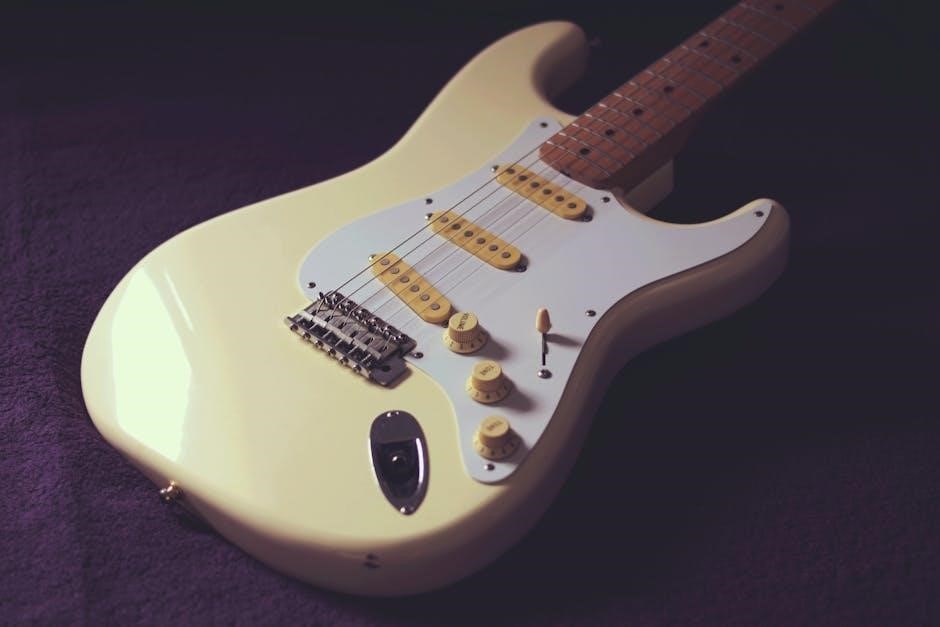
The material composing your electric guitar strings profoundly impacts tone‚ feel‚ and longevity. Three primary materials dominate the market: nickel-plated steel‚ pure nickel‚ and stainless steel‚ each offering a unique sonic palette. Understanding these differences is crucial for selecting strings that complement your instrument and playing style.
Nickel-plated steel provides a balanced tone with bright highs and a clear‚ articulate midrange‚ making it a versatile choice for various genres. Pure nickel delivers a warmer‚ vintage-inspired tone with a softer feel‚ favored by blues and jazz musicians. Stainless steel offers exceptional brightness‚ sustain‚ and corrosion resistance‚ ideal for aggressive playing styles.
Beyond the core material‚ string coatings and winding techniques further refine tonal characteristics. Experimenting with different materials allows you to sculpt your sound and discover the strings that best unlock your guitar’s potential.
Nickel-Plated Steel Strings
Nickel-plated steel strings represent a popular and versatile choice for electric guitarists‚ striking a balance between brightness‚ warmth‚ and durability. These strings feature a steel core wrapped with a thin layer of nickel‚ resulting in a tone that’s articulate and responsive across a wide frequency range.
They deliver a clear‚ punchy sound with pronounced highs and a well-defined midrange‚ making them suitable for numerous genres‚ including rock‚ blues‚ country‚ and pop. The nickel plating contributes to a smoother feel under the fingers compared to pure steel strings‚ enhancing playability.
Nickel-plated steel strings generally offer good longevity and resistance to corrosion‚ providing a reliable and consistent performance. They are often the standard factory strings found on many new electric guitars‚ showcasing their broad appeal and adaptability.
Pure Nickel Strings
Pure nickel strings offer a distinctly vintage tone‚ favored by players seeking a warmer‚ rounder sound reminiscent of classic electric guitars from the 1950s and 60s. Unlike nickel-plated steel‚ these strings utilize a core and wrapping made entirely of nickel‚ resulting in a softer‚ more mellow character.
They produce a smoother‚ less aggressive tone with reduced high-end frequencies‚ making them ideal for blues‚ jazz‚ and older rock styles. Pure nickel strings are known for their comfortable feel‚ offering a silky smoothness under the fingers that enhances playability‚ particularly for bending and vibrato.
However‚ they typically have a shorter lifespan and are more susceptible to corrosion than nickel-plated steel strings. Despite this‚ many guitarists appreciate the authentic vintage vibe and unique tonal qualities that pure nickel strings deliver.
Stainless Steel Strings
Stainless steel strings are renowned for their bright‚ crisp‚ and articulate tone‚ offering a significant contrast to the warmth of nickel-based options. Constructed with a core and wrapping made entirely of stainless steel alloy‚ these strings deliver exceptional clarity and projection‚ making them a popular choice for modern music genres.
They excel in styles demanding precise articulation and cutting power‚ such as rock‚ metal‚ and progressive music. Stainless steel strings boast superior corrosion resistance‚ extending their lifespan considerably compared to nickel or pure nickel strings. This durability makes them a cost-effective option in the long run.
However‚ they can be harder on frets due to their increased hardness and may feel slightly rougher under the fingers initially. Despite this‚ the bright tone and longevity make stainless steel strings a favorite among many discerning guitarists.
Coated Strings: Extending String Life
Coated strings represent a significant advancement in string technology‚ designed to dramatically prolong string life and maintain tonal qualities for longer periods. These strings feature a microscopic polymer coating applied to the core wire and wrapping‚ shielding them from dirt‚ oil‚ and corrosion – the primary culprits behind string degradation.
The coating minimizes the impact of these elements‚ preserving the strings’ brightness and responsiveness. While initially met with skepticism regarding tonal impact‚ modern coating technologies have largely overcome these concerns‚ offering a sound remarkably close to uncoated strings.
Popular brands like Elixir and D’Addario offer coated options‚ each with unique coating formulations. Though typically more expensive upfront‚ the extended lifespan of coated strings often proves more economical‚ reducing the frequency of string changes and maintenance.
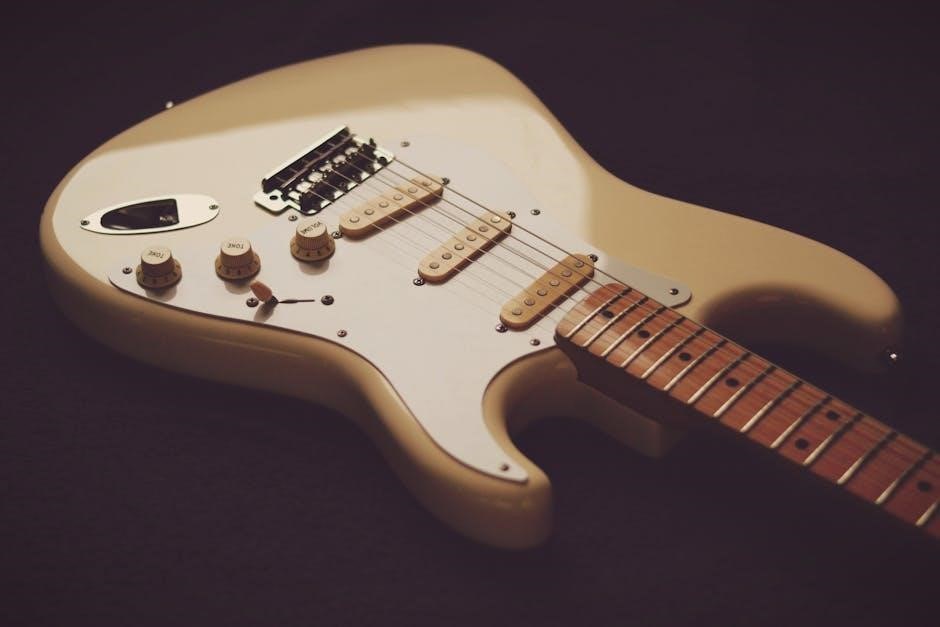
Elixir Strings
Elixir Strings are renowned as pioneers in coated string technology‚ consistently delivering exceptional longevity and consistent performance. Their patented POLYWEB and NANOWEB coatings are designed to shield the strings from dirt‚ oil‚ and corrosion‚ significantly extending their playable life – often five times longer than uncoated strings.
The NANOWEB coating feels remarkably similar to uncoated strings‚ providing a natural playing experience while still offering substantial protection. POLYWEB offers an even thicker coating‚ further enhancing durability but with a slightly different feel.
Elixir strings are available in a wide range of gauges and materials‚ catering to diverse playing styles and genres. They are a popular choice for guitarists seeking reliable‚ long-lasting strings that maintain their brightness and clarity over extended periods‚ reducing the need for frequent replacements.
D’Addario XS Strings
D’Addario XS strings represent a significant advancement in coated string technology‚ offering an exceptionally smooth feel and extended string life. These strings feature a revolutionary new coating process that minimizes string squeak and maximizes playability‚ providing a remarkably natural and uninhibited playing experience.
Unlike traditional coated strings‚ the XS coating is incredibly thin‚ preserving the bright‚ vibrant tone that D’Addario is known for. This innovative coating also provides superior corrosion resistance‚ protecting the strings from environmental factors and extending their lifespan considerably.
Available in popular gauges and materials‚ D’Addario XS strings are ideal for guitarists who demand both exceptional tone and long-lasting performance. They are a premium choice for players seeking a coated string that feels and sounds like an uncoated string‚ but with enhanced durability.
String Construction: Roundwound‚ Flatwound‚ and Halfwound
The construction of an electric guitar string significantly impacts its tone and feel. Three primary types exist: roundwound‚ flatwound‚ and halfwound‚ each offering distinct characteristics. Roundwound strings‚ the most common type‚ feature a round wire wrapped around a core wire‚ creating a bright‚ articulate tone with noticeable texture under the fingers.
Flatwound strings‚ conversely‚ have a flat ribbon-like wire wrapped around the core. This results in a smoother feel and a warmer‚ mellower tone‚ often favored by jazz guitarists. They produce less finger noise and offer excellent sustain.
Halfwound strings attempt to bridge the gap between the two. They typically feature a round core wire with a flat outer wrap on the lower strings and round wrapping on the higher strings‚ offering a blend of warmth and brightness. Choosing the right construction depends on your desired sound and playing style.
Roundwound Strings
Roundwound strings are the industry standard for electric guitars‚ prized for their bright‚ clear tone and dynamic response. Constructed with a round wire wrapped around a core‚ they deliver a pronounced attack and excellent articulation‚ making them versatile across numerous genres. The textured surface creates more friction‚ offering a positive grip for bending and vibrato techniques.
However‚ this texture also contributes to increased finger noise‚ which some players may find undesirable. Roundwounds tend to accumulate dirt and oil more quickly than other string types‚ leading to a shorter lifespan. Despite this‚ their vibrant sound and responsiveness make them a favorite among rock‚ blues‚ and metal guitarists.
Many variations exist within roundwound strings‚ including different core materials and wrapping techniques‚ influencing tonal nuances and playing feel.
Flatwound Strings
Flatwound strings offer a distinctly different playing experience and tonal character compared to roundwounds. Constructed by wrapping a flat ribbon of wire around the core‚ they possess a smooth‚ polished surface. This results in a warmer‚ mellower tone with reduced harmonic overtones‚ often described as “thumpy” or “vintage-sounding.” The smooth surface minimizes finger noise‚ making them ideal for recording or quiet playing environments.
Flatwounds are favored by jazz‚ blues‚ and some rock guitarists seeking a classic‚ subdued tone. They also offer increased string longevity as the flat surface resists dirt and oil buildup more effectively than roundwounds. However‚ the reduced friction can make bending and vibrato slightly more challenging for some players.
While less common than roundwounds‚ flatwound strings provide a unique sonic palette for electric guitarists.
Halfwound Strings
Halfwound strings represent a fascinating compromise between the bright attack of roundwound strings and the smooth feel of flatwound strings. These strings feature a round core wire wrapped with a flat ribbon‚ but only on the outer layers. This construction delivers a unique tonal blend – retaining some of the clarity and harmonic complexity of roundwounds while significantly reducing finger noise and providing a more comfortable playing surface.
They offer a warmer tone than roundwounds‚ but with more bite and definition than traditional flatwounds. Halfwounds are a versatile option suitable for various genres‚ appealing to players who desire a balanced sound. They are particularly popular among jazz‚ blues‚ and fusion guitarists seeking a nuanced tonal palette.
Though less widely available than other string types‚ halfwounds are gaining recognition for their distinctive characteristics.
Best Strings for Different Genres

Selecting the right strings dramatically impacts your guitar’s tone and playability‚ and genre plays a crucial role in this decision; For Rock and Metal‚ heavier gauge strings (10-13+) paired with nickel-plated steel or stainless steel offer sustain‚ power‚ and clarity for aggressive riffs and soaring solos.
Blues and Jazz guitarists often prefer lighter gauges (9-11) with pure nickel strings. These provide a warmer‚ smoother tone ideal for bending notes and creating expressive vibrato. Flatwound strings are also popular for a vintage‚ mellow sound.
Country and Pop music benefits from versatile strings like 10-11 gauge nickel-plated steel. They deliver a balanced tone suitable for clean chords‚ lead lines‚ and hybrid picking techniques. Coated strings can enhance clarity and longevity for live performances.
Ultimately‚ experimentation is key to finding what best suits your individual style.
Strings for Rock and Metal
Rock and metal guitarists demand strings that can withstand aggressive playing and deliver a powerful‚ articulate tone. Heavier gauge strings‚ typically 10-13 and beyond‚ are favored for their increased tension‚ providing enhanced sustain and preventing fret buzz during drop tunings and heavy riffing.
Nickel-plated steel strings are a popular choice‚ offering a bright‚ punchy sound with excellent magnetic response. Stainless steel strings provide even more brightness and corrosion resistance‚ ideal for extended playing sessions and outdoor gigs.
Many players also opt for coated strings to prolong string life‚ as the corrosive effects of sweat can quickly degrade strings under intense performance conditions. String gauge impacts playability; heavier gauges require more finger strength‚ while lighter gauges offer easier bending.
Experimentation is crucial to find the perfect balance between tone‚ feel‚ and durability.

Strings for Blues and Jazz
Blues and jazz guitarists often prioritize warmth‚ sustain‚ and a smooth‚ mellow tone. Lighter to medium gauge strings (09-11) are commonly preferred‚ allowing for easier bending and vibrato – essential techniques in these genres. These gauges also facilitate complex chord voicings and intricate fingerstyle playing.
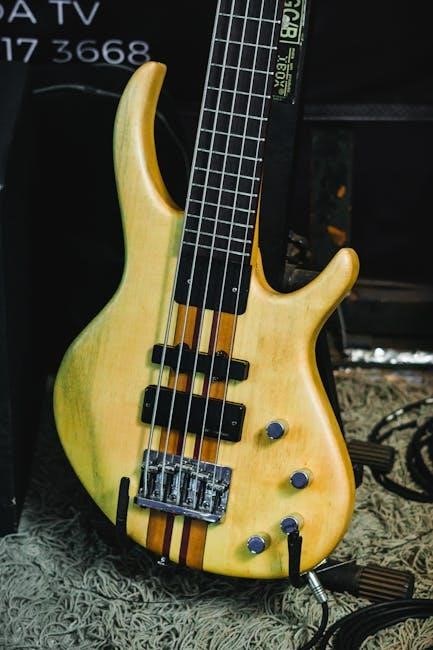
Pure nickel strings are a classic choice‚ delivering a warm‚ vintage tone reminiscent of iconic blues and jazz recordings. Their lower output and softer feel complement hollow-body and semi-hollow guitars frequently used in these styles.
Flatwound strings are also highly regarded‚ offering a particularly smooth feel and a muted‚ fundamental tone that minimizes unwanted overtones. This characteristic is ideal for achieving a sophisticated‚ nuanced sound.
While coated strings can extend lifespan‚ some players prefer the natural feel and tonal qualities of uncoated strings for authentic blues and jazz expression.
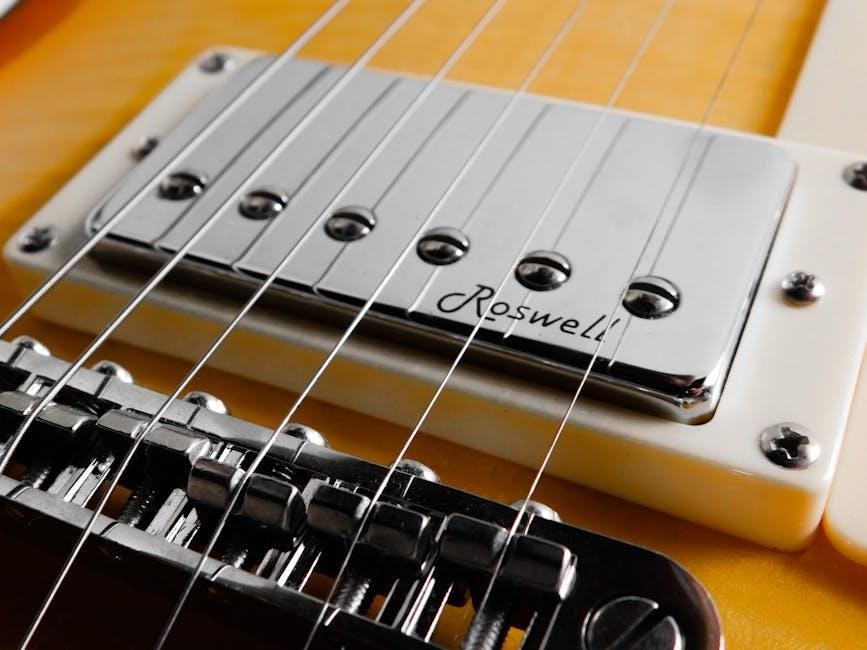
Strings for Country and Pop
Country and pop music often demand a bright‚ articulate tone with clarity and projection. Medium gauge strings (10-11) are a popular choice‚ providing a balance between playability and tonal fullness. These gauges offer enough tension for precise strumming and picking‚ crucial for rhythm work.
Nickel-plated steel strings are widely favored‚ delivering a balanced tone with a bit of brightness and sustain. They work well with a variety of electric guitars and amplifiers commonly used in these genres. Their versatility makes them a reliable option.
For a more modern pop sound‚ stainless steel strings can add extra sparkle and clarity‚ cutting through the mix effectively. However‚ they can be harder on frets and fingers.
Coated strings are beneficial for maintaining consistent tone and extending string life‚ especially for performers who play frequently.
Changing Electric Guitar Strings: A Step-by-Step Guide
Regular string changes are vital for maintaining optimal tone and playability. First‚ detune the strings completely. Using a string winder‚ loosen and remove the old strings one at a time‚ noting their placement. Clean the fretboard with a suitable cleaner and cloth.
Next‚ insert the new string through the bridge and pull it taut to the tuning peg. Wind the string onto the peg‚ ensuring neat and even coils. Repeat for each string‚ carefully managing the slack.
Stretch the strings by gently pulling them away from the fretboard. Retune several times as they settle. Trim the excess string length at the bridge and tuning pegs‚ being careful not to damage the guitar.

Proper technique prevents breakage and ensures stable tuning. Consider watching a video tutorial for visual guidance if you’re a beginner.